
Divided into three Chapters, this Section covers
the majority of the mineral products.
Divided into three Chapters, this Section covers
the majority of the mineral products.

Section VI covers products of the chemical or
allied industries. Inorganic and organic products are therefore classified
here.
Inorganic chemicals; organic or inorganic
compounds of precious metals, of rare-earth metals, of radioactive elements or
of isotopes.
Chapter 29 covers organic chemicals. These can
be classified in Chapter 29 either on the basis of their chemical structure or
on the basis of their physiological action.
Chapters 30 to 38 deal with pharmaceutical
products; fertilisers; colouring matters, paint and varnishes; perfumery,
cosmetic or toilet preparations; soap and organic surface-active agents;
albuminoidal substances, modified starches, glues, enzymes; explosives,
pyrotechnic products; photographic or cinematographic goods; and miscellaneous
chemical products.

Plastics and articles thereof; Rubber and
articles thereof.
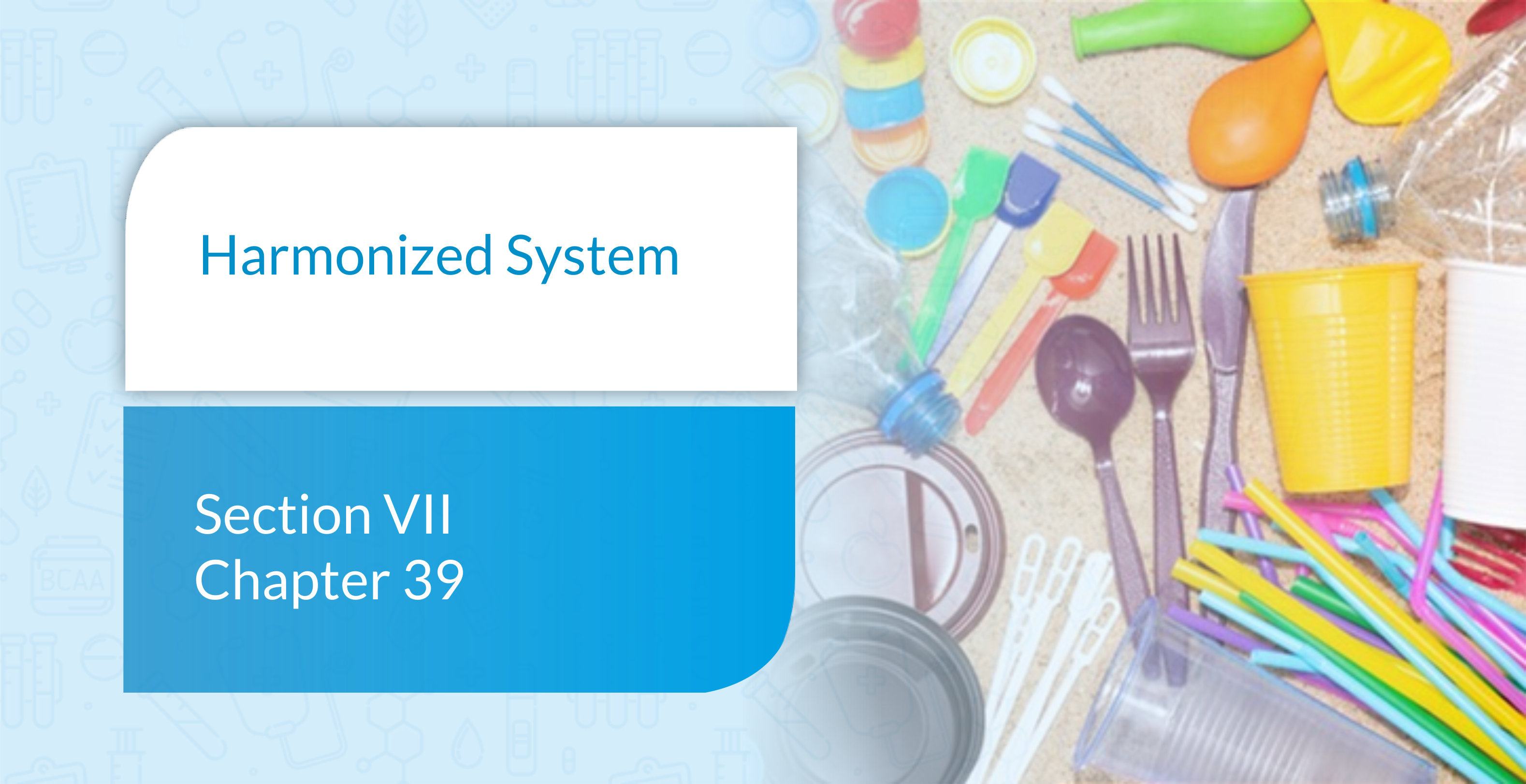
Plastics and articles of plastics. In general,
this Chapter, which is divided into two sub-chapters, covers substances called
polymers and semi-manufactures and articles thereof.
Rubber and articles thereof. Chapter 40 of
Section VII deals in general with rubber and articles made of rubber. Here are
few important definitions that are relevant to the study of the Chapter.
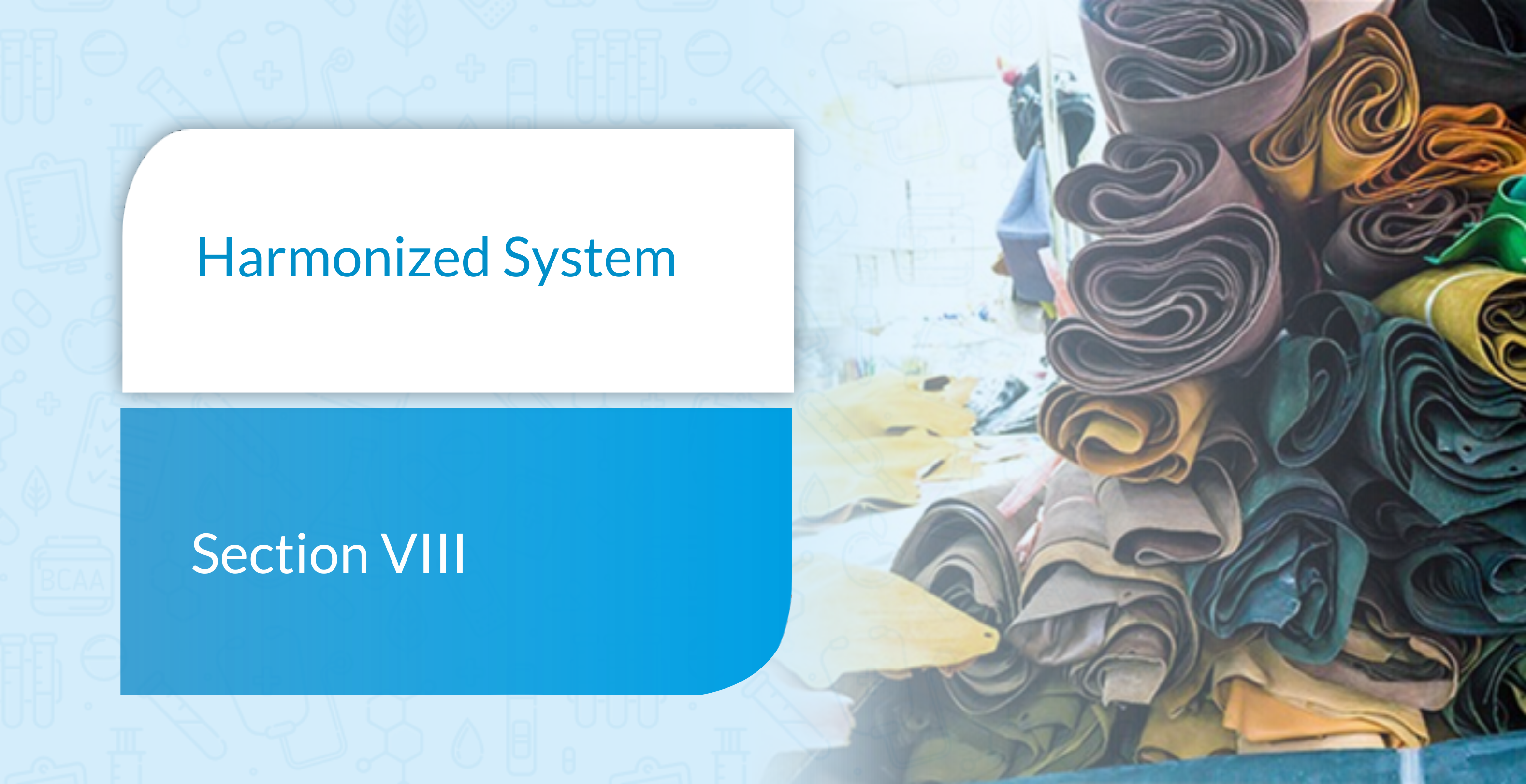
Section VIII covers the majority of leather
products. The main products classified under this section are “Raw hides
and skins (other than furskins) and leather”; “Articles of leather
(and certain similar articles of other materials)” and “Furskins and
artificial fur; manufactures thereof”.
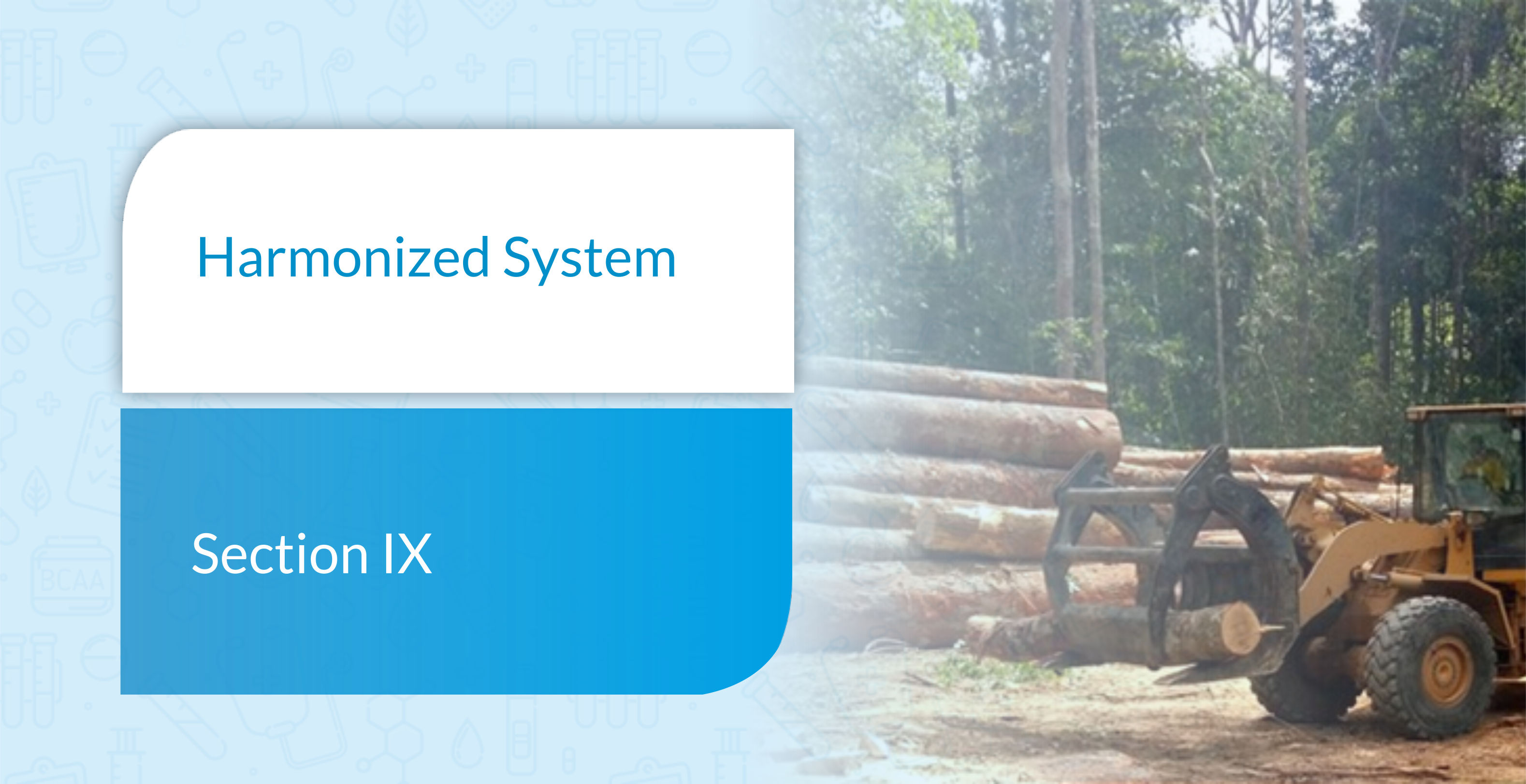
Section IX is divided into three chapters. The
main products classified under this Section are Wood and articles of wood; wood
charcoal; cork and articles of cork; manufactures of straw, of esparto or of
other plaiting materials; basketware and wickerwork.